Overview
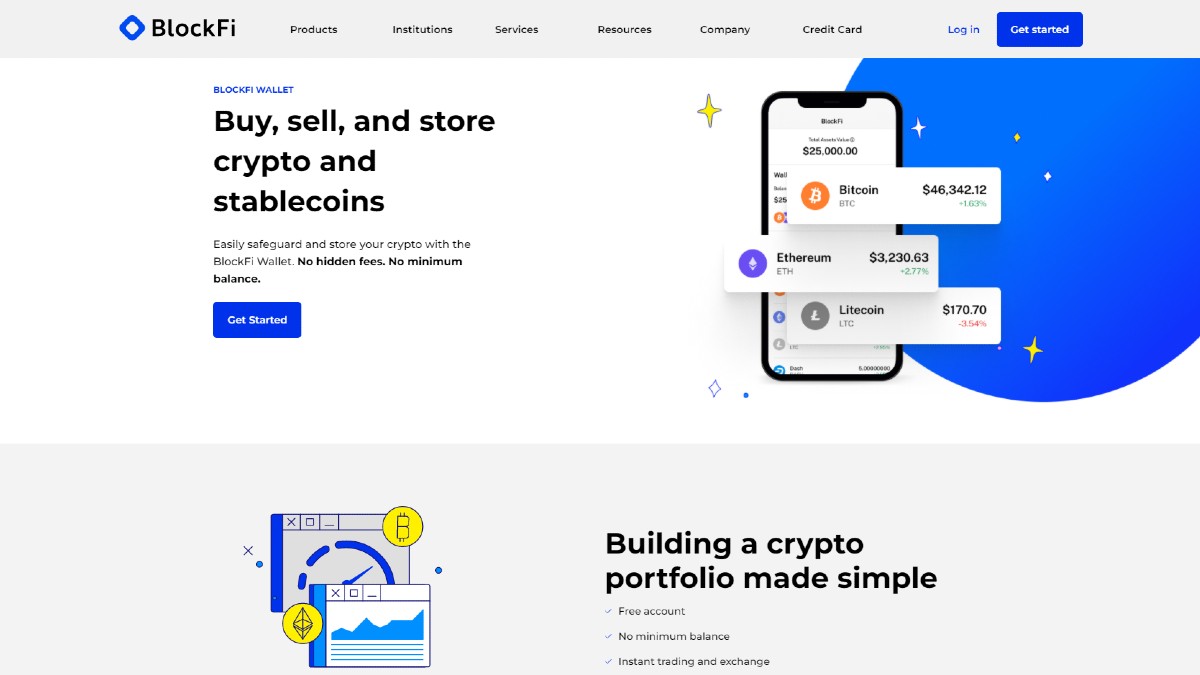
Logging into a crypto financial platform is a sensitive operation. This guide walks through the common elements you’ll encounter during a BlockFi login: how to prepare, how two-factor authentication (2FA) typically works, troubleshooting steps, and tips for keeping your account safe. The visual mockup below is disabled for safety and intended for demonstration and design purposes only.
Before you log in: preparation checklist
- Verify the website address — use a bookmarked link or the official app from an app store. Never follow links from unsolicited emails or chats.
- Use a secure device — avoid public or untrusted computers and networks when accessing financial accounts.
- Have your 2FA method ready — this might be an authenticator app (TOTP), hardware key, or SMS code depending on your account settings.
- Make sure your browser is up to date and that you use a reputable password manager to generate and store strong passwords.
What a typical login flow looks like
Although each service has slightly different UI, the common flow is:
- Visit the official site or open the official native app.
- Enter your email or username and your password (ideally from a password manager).
- If login credentials are correct, the site prompts for 2FA. Complete the 2FA step to continue.
- On successful verification, you’ll see your account dashboard or a secure session confirmation. If suspicious activity is detected, the platform may require additional verification.
Non-functional mockup (DEMONSTRATION ONLY)
This mockup is non-functional and provided purely for explanation and design reference.
Design notes: the mockup shows an intentionally minimal sign-in box — email, password, and a 2FA prompt. In production, services add anti-phishing banners, device recognition, and contextual alerts to flag unusual logins.
Security note: never paste real passwords into unfamiliar pages or into browser popups. Use your password manager or official app instead.
Understanding two-factor authentication (2FA)
2FA adds an extra layer of security beyond your password. Common methods include:
- Authenticator apps (TOTP) such as Google Authenticator or Authy — generate short-lived codes every 30 seconds.
- Hardware security keys (FIDO U2F / WebAuthn) — provide strong phishing-resistant authentication.
- SMS codes — convenient but less secure and susceptible to SIM swapping; prefer authenticator apps or hardware keys when available.
Troubleshooting common login issues
If you cannot sign in, try the following steps in order:
- Check email and password: ensure caps lock is off and there are no added spaces. Retrieve the password from your password manager if possible.
- Network and browser checks: clear cache, try a private/incognito window, or use a different browser to eliminate local issues.
- 2FA problems: if your authenticator app shows the wrong codes, check device clock sync; for hardware keys, ensure correct browser support and that the key is plugged in and recognized.
- Account lockouts: many services will lock after several failed attempts; follow the official account recovery flow rather than using third-party services.
Account recovery and safety
Recovery procedures vary. Typical steps include email verification, answering security questions, or identity verification with documents in high-risk cases. Important tips:
- Only start recovery flows from official sites or the official app.
- Beware of impersonators: support will never ask for your password or full 2FA codes via email or chat.
- Enable additional protective measures, such as withdrawal whitelisting, device whitelisting, and alerts for new device logins if the service offers them.
Mobile vs desktop login considerations
Mobile apps can provide a more controlled environment and push-based 2FA (e.g., approve/deny notifications). Desktop browsers can be convenient for bulk tasks but may be more exposed to browser extensions. Best practices:
- Install native apps only from official app stores.
- Keep mobile OS and apps updated.
- Disable or limit browser extensions that can read web pages, especially on sensitive sites.
Privacy and session management
After logging in, check session options and devices list periodically. Log out from shared devices and revoke sessions you don’t recognize. Use strong, unique passwords and rotate them if you suspect compromise.
When to contact support
Contact support via official channels if you notice any of the following:
- Unrecognized logins or device notifications.
- Failed login attempts you did not initiate.
- Problems with 2FA hardware or loss of access to your authenticator.
Short security checklist — what to do right now
- Confirm the site URL and use bookmarks for login pages.
- Activate a strong 2FA method (hardware key or authenticator app preferred).
- Use a password manager and a unique password for crypto/financial accounts.
- Enable email & withdrawal alerts and review device access monthly.
Frequently asked questions (FAQ)
Q: What should I do if I lose my 2FA device?
A: Use your service’s account recovery process. If you have saved backup codes or have a recovery key, follow instructions to restore access. Contact official support only through verified channels if recovery isn’t straightforward.
Q: Is SMS 2FA safe?
A: SMS is better than no 2FA but is vulnerable to SIM swap attacks. Prefer authenticator apps or hardware keys for higher security.
Q: Can I use a password manager?
A: Yes — reputable password managers improve security by generating and storing unique passwords. Use them to avoid password reuse across sites.
Final thoughts
Accessing your crypto accounts safely requires careful habits: verify addresses, prefer phishing-resistant 2FA, keep devices updated, and use official apps and support channels. This page provides a safe, non-functional mockup and a comprehensive guide so you know what to expect and how to act if something seems wrong.
Reminder: This page is for education and design reference only. Do not enter real login credentials on demo pages. Always sign in via the official site or the official app.